
Tired of Filling in Your Brows Every Morning? How Microblading Can Help
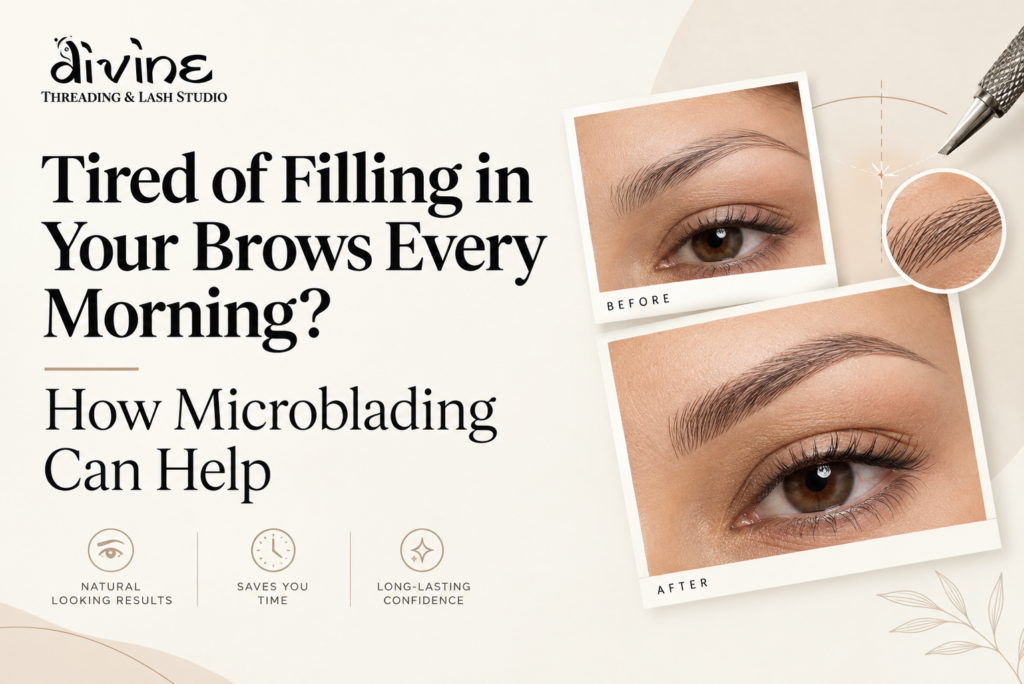
There’s a specific kind of morning fatigue that has nothing to do with sleep. It’s the ten minutes spent hunched over a mirror with a brow pencil, trying to get both sides symmetrical before you’ve even had coffee. Then there’s the moment later that afternoon when you catch your reflection and realize the left brow has faded while the right one hasn’t, or the Las Vegas heat has quietly melted your careful work into a smudge. If this routine sounds familiar, you’re not alone, and more importantly, you’re not stuck with it. This is exactly the gap that microblading was built to close. It’s not a trend chasing a look. It’s a practical answer to a genuinely repetitive problem, and for women dealing with sparse, uneven, or over-plucked brows, it tends to solve more than just the cosmetic issue. It solves the time issue too. Why Brow Pencils Struggle to Keep Up With a Las Vegas Lifestyle Makeup, in general, wasn’t designed to survive extremes, and Las Vegas delivers plenty of them. Between triple-digit summer heat, dry desert air, pool days, and long nights out, brow pencil and powder have a short shelf life on your face. Sweat breaks it down. Humidity from a pool or a hotel spa steams it off. Even a full day of normal activity is often enough to leave your brows looking patchy by evening. This is one of the reasons interest in microblading eyebrows in Las Vegas has grown steadily rather than spiking as a passing fad. It’s a solution shaped by a climate and lifestyle that genuinely wear down anything temporary, and by a simple desire most women share: waking up already looking finished. What Microblading Actually Is, Beyond the Marketing Language Microblading is a semi-permanent cosmetic technique where a trained technician uses a hand tool made up of fine needles to create individual, hair-like strokes in the skin, following the natural direction your brow hair grows. Pigment is deposited into these tiny strokes, and the result mimics the texture of real brow hair far more convincingly than powder or pencil ever could, since it’s built stroke by stroke rather than applied as a flat layer of color. This is different from a traditional tattoo in an important way. Tattoo ink sits deep in the skin and stays there permanently. Microblading pigment sits in the upper layers of skin and fades gradually as the body naturally processes it, which is why it’s more accurately described as microblading permanent eyebrows in the sense of long-term results, rather than something that lasts forever unchanged. Most clients see their results hold for twelve to eighteen months before a refresh is needed, with skin type playing a significant role in how long that window actually is. The Skin Type Conversation Nobody Explains Well Enough Here’s something most introductory articles gloss over, and it genuinely changes what kind of result you should expect: your skin type directly affects how crisp and long-lasting your microbladed strokes will be. If you have naturally dry to normal skin, strokes tend to stay sharp and well-defined for a longer stretch, since there’s less oil production to soften the lines over time. If you have oilier skin, which is extremely common given how much sun exposure affects skin in a desert climate, strokes can soften into a slightly more powdery look faster, and touch-ups tend to be needed sooner. Neither skin type is a disqualifier. It simply means your technician should be having this conversation with you before your appointment, setting expectations around your specific maintenance timeline rather than giving you the same generic answer they’d give anyone else. What Actually Happens During and After Your Appointment A first microblading session typically takes two to three hours, most of which is spent on mapping and shaping the brow before any pigment work begins. This mapping stage matters more than people expect. It accounts for your natural bone structure, your existing brow hair growth pattern, and facial symmetry, so the final shape looks like an enhanced version of your own brows rather than a shape that was borrowed from someone else’s face. Numbing cream is applied before the strokes begin, so most clients describe the sensation as mild scratching rather than significant pain. Immediately afterward, brows will look noticeably darker and bolder than the final result. This is normal and expected, not a sign anything went wrong. Over the following one to two weeks, you’ll notice light flaking as the skin heals, and the color will soften considerably, typically settling into its true tone within about four weeks. A follow-up touch-up session, usually scheduled four to six weeks after the first appointment, fills in any spots where pigment didn’t fully retain and fine-tunes the shape based on how your skin actually healed. Skipping this step is one of the more common mistakes new clients make, since the first session alone rarely represents your final, settled result. Who Benefits Most From Making This Switch Microblading tends to make the biggest difference for a few specific situations: brows that have thinned from years of over-plucking, brows that have become sparse due to age or alopecia, brows that grow unevenly on each side, and brows that simply take too long to recreate convincingly with makeup every single day. It’s worth being honest that microblading isn’t the right fit for everyone. Clients with very oily skin may get better long-term results from a different technique like powder or ombre brows, which hold up better against oil production. A qualified technician should be willing to discuss this openly rather than pushing microblading as a one-size-fits-all solution. Making the Decision With Confidence If your morning routine currently includes several minutes of brow reconstruction, or if you’ve stopped trusting your brows to survive a Las Vegas afternoon, it’s worth having a real conversation about whether microblading fits your skin, your lifestyle, and the look you actually want. At Divine Threading, that conversation starts with an honest assessment of your skin