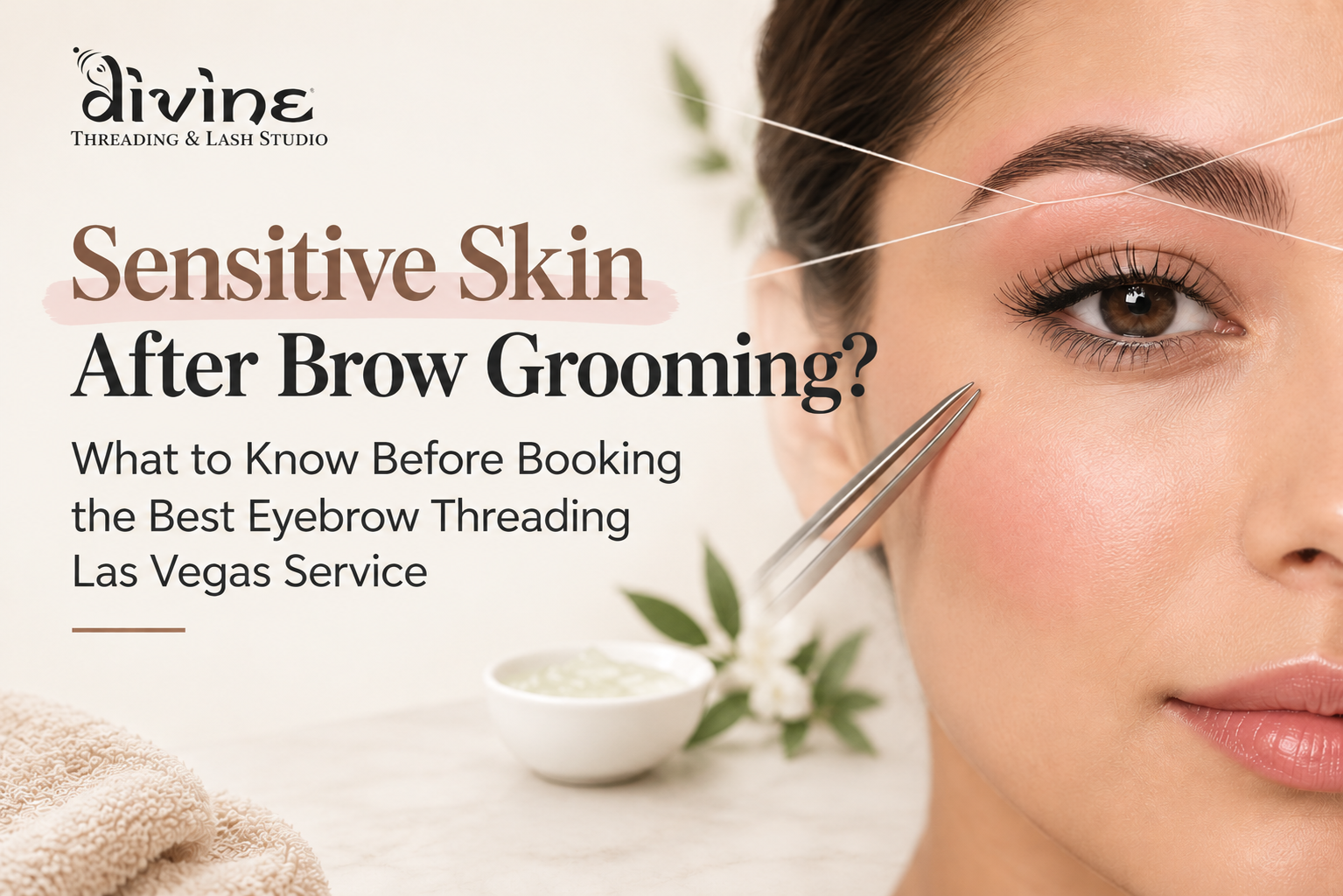
If your skin turns red at the mere mention of wax, you are probably wondering whether brow grooming is worth the trouble. The good news is that threading is often a gentler route. The catch is that results depend on preparation, technique, and hygiene as much as on the method. This guide explains how threading works for reactive skin, what to do before and after, and how to approach booking the best eyebrow threading in Las Vegas with confidence. It is general information, not medical advice.
Why Threading Often Suits Sensitive Skin, and When It Doesn’t
Cleveland Clinic describes threading as more precise than waxing and generally gentler because it uses only thread, with no hot wax that can cause burns or reactions to wax ingredients. Healthline similarly notes that threading may suit sensitive or acne-prone skin because it causes less irritation than other hair removal methods.
It is not risk-free. Expect tugging, redness, possible mild swelling for a few hours, and sometimes breakouts. Infection risk is low but real, and Healthline cites reports of molluscum contagiosum, a contagious viral infection, in some people after eyebrow threading. A poorly trained practitioner can also cut or pull delicate skin or remove the wrong hairs.
One dermatologist quoted by Cleveland Clinic suggests that people with sensitive skin try both threading and waxing to see which suits them. For most, the question isn’t which method is best, but whether the person doing it is skilled and hygienic.
Sensitive Skin in the Desert: Planning Around Las Vegas
Las Vegas air is dry and the sun is strong, both of which can leave an already reactive brow area feeling tight or irritated. That is common sense rather than a measured statistic, but it shapes smart timing. Avoid booking right after a long day outdoors or a sunburn, moisturise normally in the days before, and plan the next few days so you are not spending hours in direct sun. If you are unsure how your skin will react, ask the threader whether they can start with a light shaping rather than a dramatic change.
Before You Book: A Sensitive-Skin Checklist
Divine Threading believes the best appointments start with a short conversation about your skin, so come prepared:
- Pause retinoids. Cleveland Clinic advises avoiding retinoid and retinol products for five to seven days beforehand, since they make skin more sensitive and can cause bleeding or peeling.
- Skip the appointment if your skin is already irritated. Sunburn, broken skin or active breakouts around the brows are reasons to wait.
- Share your history. Mention allergies, skin conditions and any medications. Accept the usual alcohol swab and aloe afterwards unless you are allergic to either.
- Cleanse gently. Cold water before and after helps reduce irritation.
- Plan the spacing. Cleveland Clinic’s expert says most people get threaded every three to four weeks, and Healthline puts the average result at four to five weeks. Cleveland Clinic also advises being conservative, since repeated sessions can thin hair over time.
Common mistakes include booking while still using retinoids, touching the area afterwards and choosing a studio on price alone.
How to Spot a Qualified Threader in Las Vegas
Nevada’s cosmetology law defines threading as removing superfluous hair by twisting thread around the hair and pulling it from the skin, and handles threading practitioners through a registration category of their own. Rather than guess the paperwork, ask to see credentials and confirm them with the Nevada State Board of Cosmetology.
Then watch for hygiene basics:
- Hand washing before the service
- No thread held in the mouth, a practice Cleveland Clinic advises avoiding
- A clean station and a willingness to answer questions
- Transparency about tools and threads, such as whether they are fresh for each client
Recent reviews and photos of real work help you compare studios. A good one, Divine Threading included, should welcome these questions rather than rush past them.
Aftercare for the First Few Days
Cleveland Clinic’s advice is simple:
- Don’t touch or pick at the area.
- Avoid swimming pools and hot tubs.
- Limit sun exposure and other known irritants.
- Go without makeup for a few days if you can.
Redness and mild swelling should settle within hours. If swelling, pain, pus or a spreading rash appears, contact a doctor or dermatologist.
Planning Lash Services Around Brow Appointments
Many clients combine brow and lash visits, and the eye area deserves extra caution. If you are searching for eyelash extensions in North Las Vegas, apply the same safety lens. Nevada law places eyelash extensions under esthetics, so confirm the technician’s licence the same way.
The California Board of Barbering and Cosmetology offers a useful consumer checklist that applies anywhere:
- Ask what adhesive is used and request a formaldehyde-free one.
- If you are unsure about allergies, ask for a patch test, where a small amount of adhesive is dabbed on the skin and watched for 24 hours.
- Skip the service if your eye or eyelid is irritated, inflamed or infected.
- Leave if the technician uses nail glue on your lashes.
The American Academy of Ophthalmology has warned of infections, allergic reactions, and lash loss linked to some extension adhesives, as reported by HealthDay in 2013. If you develop eye symptoms, see an ophthalmologist promptly. Brow aftercare and lash safety share one habit: don’t rub, don’t pick and report irritation early. Divine Threading recommends keeping the eye area calm: if your brows are still red, ask whether to move a lash appointment back.
Know Your Skin, Then Book
Sensitive skin doesn’t rule out neat brows. Threading is often gentler than waxing, but outcomes come down to preparation, a trained and hygienic practitioner, and sensible aftercare. Pause retinoids, avoid treating irritated skin, check credentials with the Nevada State Board of Cosmetology and keep the eye area calm. Your next step is to write down your allergies, products and skin concerns, then bring that list to your consultation. Divine Threading is happy to walk you through what to expect before your first appointment.